


Our Project


Research question, goal and workplan
This project seeks to enrich the ongoing discussion on how central bank digital currencies (CBDC) should be designed and implemented within democratic societies.
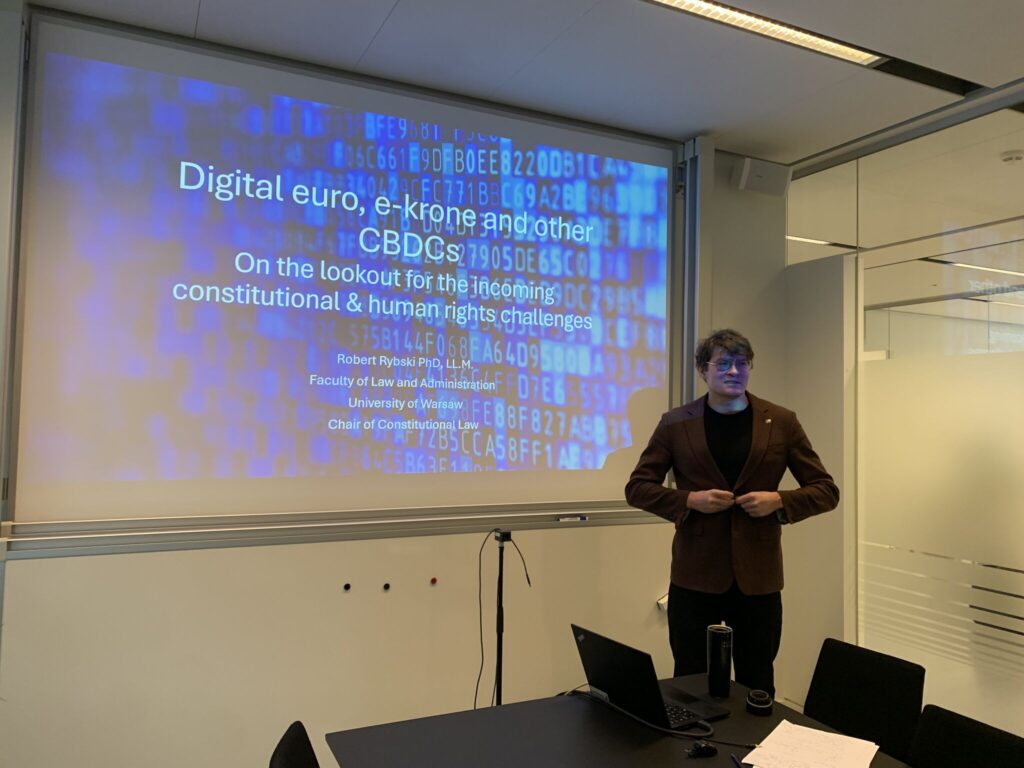
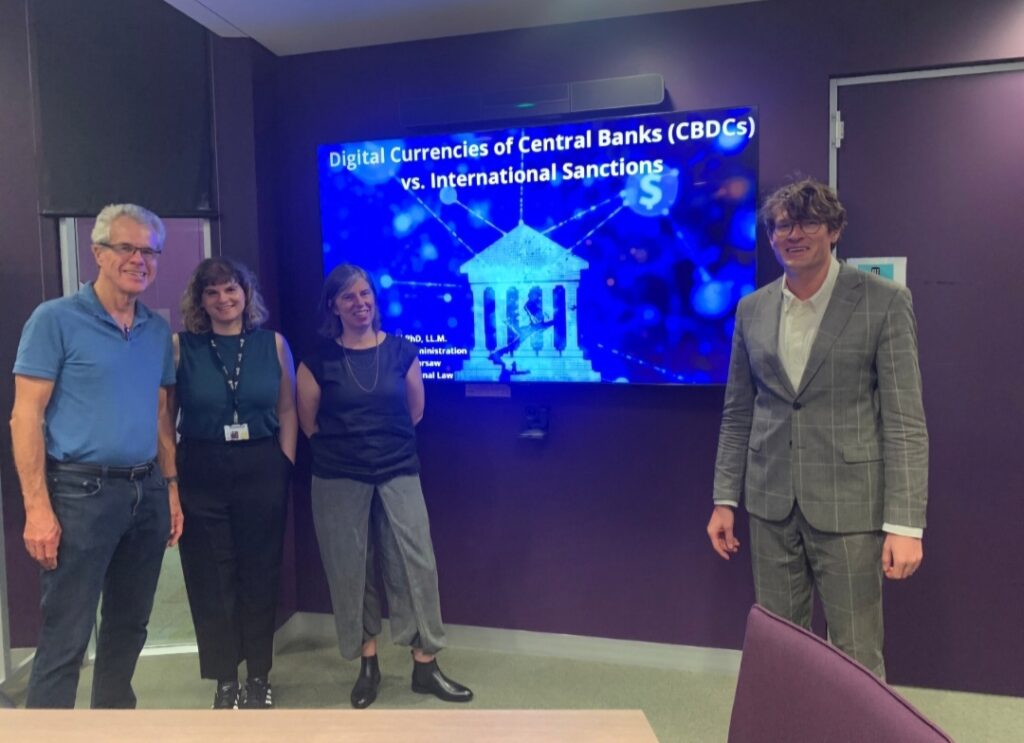

The first research question focuses on how democratic states can ensure that the design of CBDC aligns with fundamental values such as transparency, accountability, and the rule of law.
The second explores the institutional framework for introducing a CBDC in democratic systems – specifically, whether such a decision should rest solely with the central bank, involve the government or parliament, or even require constitutional amendments.
The research will employ a comparative approach, analyzing 12 jurisdictions that have either launched a CBDC or are actively preparing to do so. During the empirical phase, the research team will carry out in-depth interviews with key stakeholders from seven distinct groups relevant to CBDC implementation. In the subsequent desk-based phase, the team will analyze legal frameworks and scholarly literature alongside the interview findings.
The culmination of the research will be a regulatory roadmap aimed at ensuring that the development and implementation of CBDC are guided by democratic standards and institutional resilience.
At the same time, the project will closely examine the broader societal and economic implications of CBDC as an emerging and potentially far-reaching instrument of monetary policy. Accordingly, it will consider how to embed CBDCs into democratic governance frameworks.
The outcomes will be twofold:
- first, the project will identify and develop tools that democratic states can use to ensure CBDC design and usage remain consistent with constitutional norms;
- second, it will outline the minimum democratic safeguards that should guide CBDC implementation.
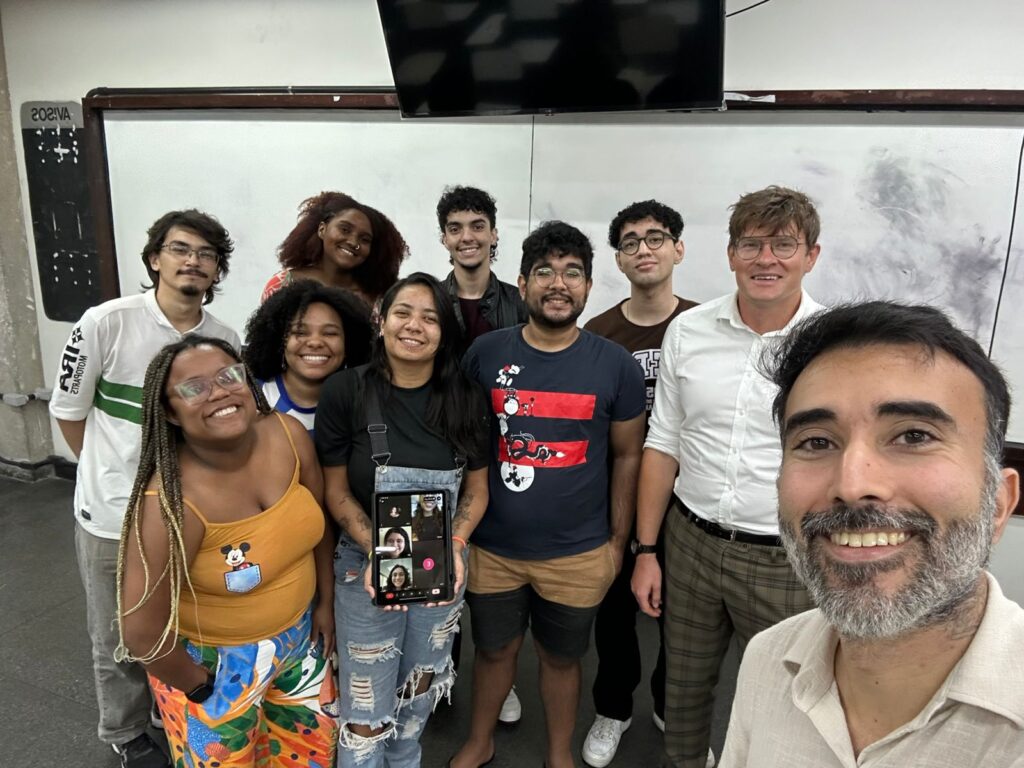
While conducting empirical research in Brazil, Dr Robert Rybski was invited to deliver a seminar for students of the Faculty of Economics at the Universidade do Estado do Rio de Janeiro. During the meeting, he answered questions from participants concerning the research project, the empirical part of which includes Brazil among the studied countries.